Quick answer
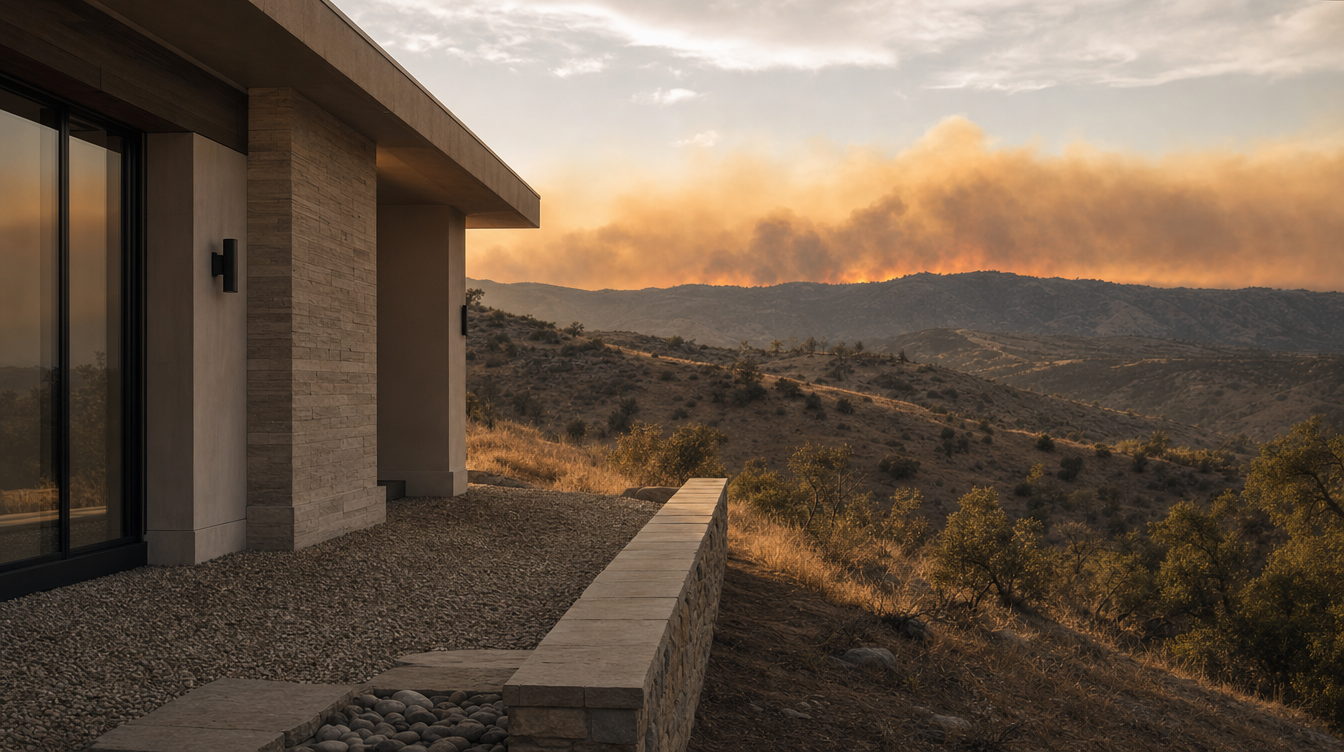
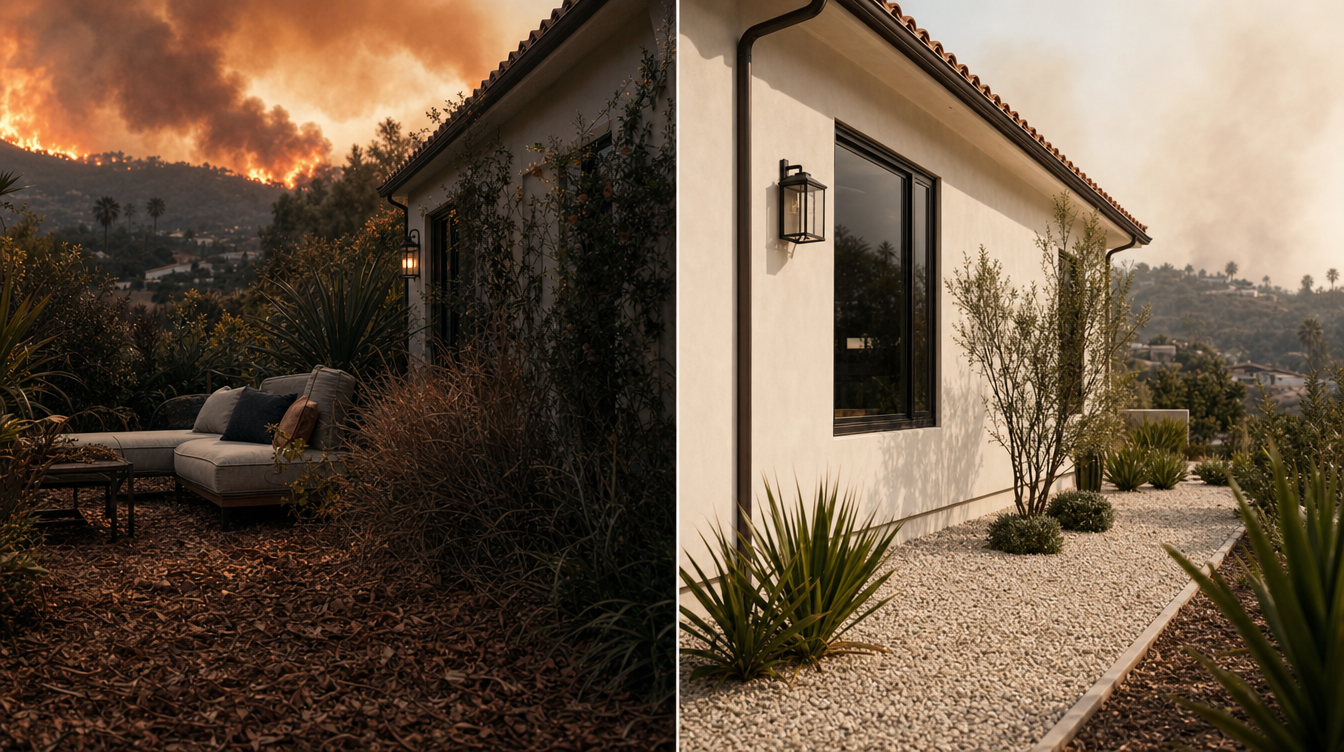
Zone 0 is the 0 to 5 foot area around the home. For Southern California wildfire readiness, this area should be kept as noncombustible and low-fuel as possible: no bark mulch, no firewood, no dry leaves, no patio cushions against the wall, no plants touching the structure, and no wood fence connection without a noncombustible break. CAL FIRE and IBHS both treat the area closest to the home as a major wildfire survival factor because embers often ignite small fuels before flames ever reach the structure.
What Zone 0 is
Zone 0 is the immediate 0 to 5 foot area around the home. In defensible space planning, it is the area where combustible materials should be removed or heavily reduced because it sits directly next to the structure. In plain language, Zone 0 is where embers either find fuel against your house or land on something that will not burn.
CAL FIRE’s defensible space guidance separates the area around the home into zones and highlights the first five feet as the ember-resistant zone. IBHS Wildfire Prepared Home materials also focus heavily on the structure and the near-home zone because this is where small fuels can become the bridge between ember exposure and home ignition.
For homeowners, the idea is simple: the closer something combustible is to the house, the more careful you need to be. A shrub in the middle of a yard is one thing. The same shrub touching a window, vent, siding, or eave is a different risk. Bark mulch against the front wall may look clean, but under ember exposure it can create a flame path right where the structure is most vulnerable.
Why the first five feet matter
Southern California fire weather creates a hard problem for homes. Santa Ana winds and red flag conditions can push embers into neighborhoods quickly. Those embers do not need a wall of flame to create damage. They need a receptive fuel bed, such as leaves, mulch, dry plants, furniture, fence gaps, or debris caught in a corner.
Zone 0 matters because it removes the most dangerous fuel from the most dangerous location. This is why the IBHS Wildfire Prepared Home Technical Standard and homeowner guidance focus on noncombustible materials, maintenance, and the home ignition zone. The principle is consistent: reduce the chance that embers can ignite something directly touching or immediately beside the home.
This also explains why Zone 0 is not just a landscaping issue. It touches siding, wall bases, vents, windows, doors, decks, fencing, utility penetrations, and maintenance habits. If the first five feet are clean but a wood fence connects directly into the house, the risk is not solved. If gravel replaces mulch but leaves collect under a gate, the risk returns.
What to remove from Zone 0
Start with a simple perimeter walk. Move slowly, because the problem areas are often small and easy to miss. Look for anything combustible, anything that traps debris, and anything that gives fire a path into the structure.
- Bark mulch, dry leaves, pine needles, dead plants, and dry ornamental grasses.
- Firewood, lumber, cardboard, storage boxes, plastic bins, and stacked materials.
- Doormats, outdoor rugs, patio cushions, umbrellas, wicker furniture, and fabric covers.
- Trash cans, recycling bins, and green-waste containers stored against the garage or side wall.
- Plants touching stucco, siding, windows, vents, decks, fences, or eaves.
- Wood gates, privacy screens, or fences that connect directly to the home.
- Debris behind hose reels, under AC lines, around utility penetrations, and in narrow side yards.
Do not treat Zone 0 as a one-time cleanup. It is a maintenance zone. A homeowner can clear it in May and lose the benefit by July if leaves collect, patio items migrate back to the wall, or dead plant material builds up near the siding.
What to use instead
Zone 0 can still look intentional and finished. The goal is not to make the home look bare. The goal is to replace high-risk materials with noncombustible or very low-fuel choices.
- Gravel, decomposed granite, pavers, concrete, or mineral soil near the structure.
- Metal edging instead of combustible landscape borders.
- Well-spaced plants outside the immediate 0 to 5 foot zone where appropriate.
- Noncombustible planters when containers must be used near hardscape.
- Metal or noncombustible breaks where fencing approaches the home.
The best Zone 0 design is usually quiet and practical. It does not need to announce itself. A clean gravel strip, good drainage, trimmed plants, and a noncombustible fence transition can reduce risk without making the property look neglected.
Fences, decks, vents, and attachments
Many Zone 0 mistakes happen where one building element touches another. Fences, decks, patio covers, pergolas, exterior stairs, planters, and attached storage can create fire pathways to the home. These attachments matter because they can defeat otherwise good defensible space work.
A wood fence is a common example. If the fence is connected directly to the house, flames or heat moving along the fence can reach siding, windows, eaves, or the garage. A noncombustible break near the structure can reduce that pathway. The same thinking applies to decks and patio structures. If the underside of a deck collects leaves or stored items, it becomes a fuel pocket in the near-home zone.
Vents are a second major issue. Zone 0 cleanup reduces fuel near the wall, but vents still need ember protection. Products from BrandGuard Vents and Vulcan Vents are examples of the specialized market around ember-resistant and wildfire-rated vents. The right solution depends on the home, the vent location, airflow needs, and code requirements, but the larger point is that vents are part of the Zone 0 conversation because they sit in or near the ember exposure zone.
ADD field note
In ADD’s 47-point wildfire risk assessment framework, Zone 0 is not reviewed by itself. It connects to roof debris, gutters, vents, exterior walls, windows, doors, eaves, decks, fences, and maintenance readiness. The Zone 0 portion looks for no combustible mulch within five feet, no vegetation touching the structure, no firewood or combustible storage within five feet, noncombustible fencing attached to the home, and groundcover such as gravel, concrete, pavers, or mineral soil. We then connect those observations to the rest of the property so the homeowner understands what to fix first.
Common Southern California mistakes
The first mistake is assuming defensible space is only about brush clearance. Brush clearance is important, but it does not remove the mulch touching the wall, the leaves behind the side gate, or the patio cushions against the sliding door.
The second mistake is replacing plants with bark mulch. From a design standpoint, bark mulch can make a bed look clean. From a wildfire standpoint, it can place combustible material exactly where embers should find nothing to burn.
The third mistake is ignoring side yards. Front yards are visible, so they tend to get cleaned. Side yards collect bins, lumber, tools, hoses, dead leaves, and forgotten storage. During an assessment, those hidden areas often explain more risk than the landscaped front yard.
The fourth mistake is treating stucco as a complete solution. Stucco can help, but the home still has windows, vents, doors, eaves, roof edges, wall penetrations, and attachments. Zone 0 helps protect the edges and openings where ignition risk remains.
Zone 0 homeowner checklist
- Clear the first five feet around the full home perimeter.
- Remove combustible mulch near the structure.
- Keep plants from touching siding, windows, vents, decks, and eaves.
- Create a noncombustible break where fencing meets the house.
- Move patio cushions, bins, firewood, and storage away from walls.
- Check side yards, behind gates, and under decks.
- Recheck Zone 0 before every major red flag wind event.
Want a property-specific Zone 0 plan?
Allied Disaster Defense can review your home, identify the highest-risk ignition points, and prioritize fixes before the next red flag wind event.
Sources and further reading
FAQ
Is Zone 0 required in California?
California has been moving toward stronger defensible space and ember-resistant zone requirements. Homeowners should treat Zone 0 as a best-practice priority even when local enforcement timelines vary.
Can I keep plants near my house?
Plants should not touch the home, vents, windows, decks, doors, or eaves. In the first five feet, prioritize noncombustible surfaces and move most vegetation outside the immediate ignition zone.
Is gravel better than mulch near the house?
Yes. Gravel, pavers, concrete, decomposed granite, and similar noncombustible materials are safer choices near the structure than bark mulch or dry organic ground cover.
Does Zone 0 replace home hardening?
No. Zone 0 reduces nearby fuel, but it does not replace roof maintenance, ember-resistant vents, gutter cleaning, window and door review, eave protection, or other home hardening work.