 ALLIED
 Every property is a different problem.
Each presents a different combination of structure, vegetation, terrain, access, water, and wildfire exposure. That is why Allied does not begin by selling services. We begin by understanding the estate. Then we deploy the capabilities that matter.
We do not start with what we can sell. We start with what the property needs.
Traditional contractors naturally see properties through the lens of the work they perform.
- A vent contractor sees vents.
- A landscaper sees vegetation.
- A roofer sees roofing.
- A fire-retardant applicator sees treatment opportunities.
Allied sees the entire property. Our responsibility is to determine what creates meaningful risk, what deserves attention first, what can wait, what should be monitored, and what may not justify an investment at all.
Then we build the strategy around the answers.
Five layers of property resilience.
Property intelligence
Before changing the property, understand it.
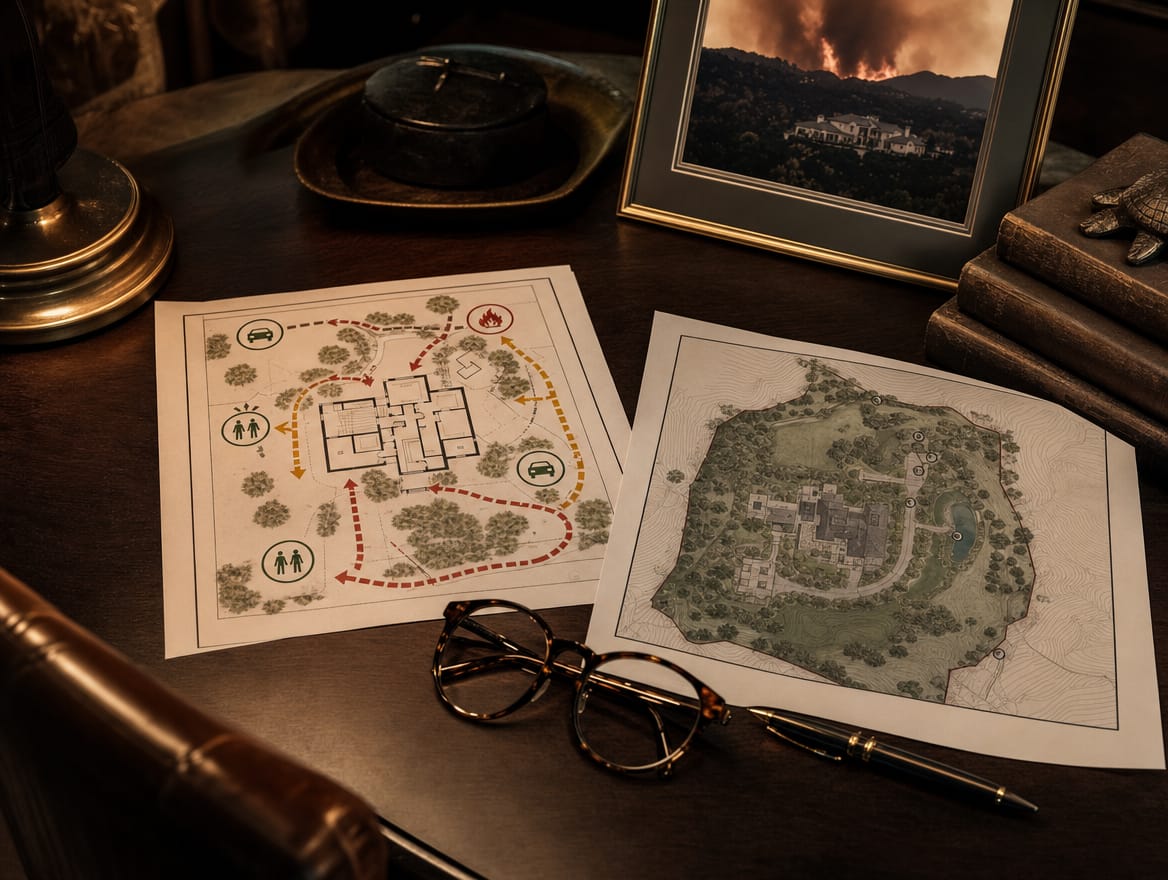
- Private Property Risk Profile
- On-site property assessment
- Wildfire exposure review
- Structural vulnerability analysis
- Ember-pathway identification
- Zone 0 assessment
- Vegetation and fuel review
- Property mapping
- Photographic documentation
- Mitigation prioritization
A clear understanding of what deserves attention first.

Structure resilience
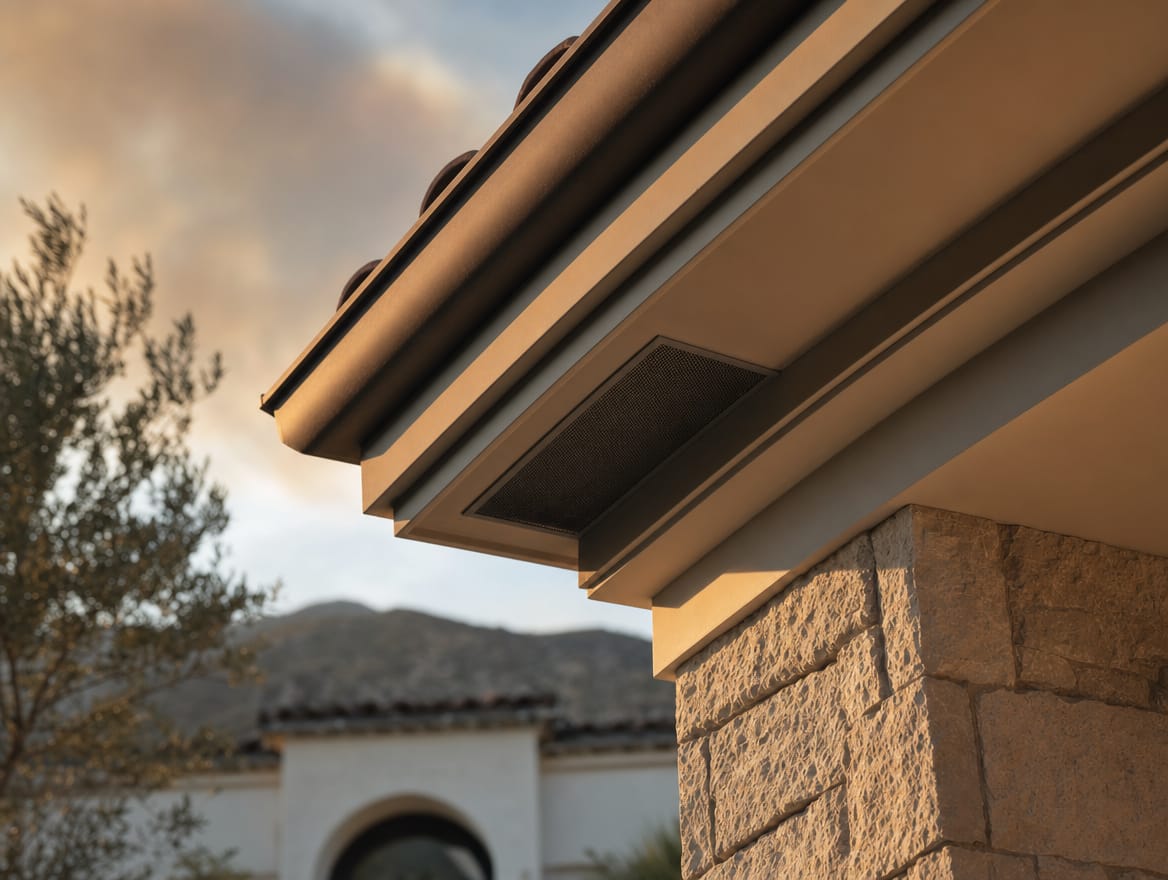
Reduce opportunities for wildfire and wind-driven embers to ignite the structure.
- Ember-resistant vents
- Roof vulnerability corrections
- Gutter protection
- Eave and soffit improvements
- Combustible attachment modifications
- Fence transition improvements
- Deck vulnerability reduction
- Selected siding considerations
- Window and glazing recommendations
- Other structure-specific measures
A structure better prepared to resist common wildfire ignition pathways.
Property and perimeter resilience
Address conditions surrounding the structure that can influence wildfire behaviour and ignition exposure.
- Zone 0 improvements
- Defensible-space planning
- Vegetation management strategy
- Fuel reduction
- Landscape modification
- Tree and shrub recommendations
- Slope and hillside considerations
- Long-term fire-retardant application
- Property perimeter strategy
A property environment designed to reduce avoidable wildfire exposure.

Household and estate readiness
A hardened property without an operational plan is incomplete.
- Seasonal readiness reviews
- Household preparedness planning
- Estate manager coordination
- Property preparation protocols
- Water-resource identification
- Evacuation considerations
- Fire-weather awareness
- Pre-event property preparation
- Documentation updates
A household and property team that knows what should happen before conditions become urgent.
Active wildfire readiness
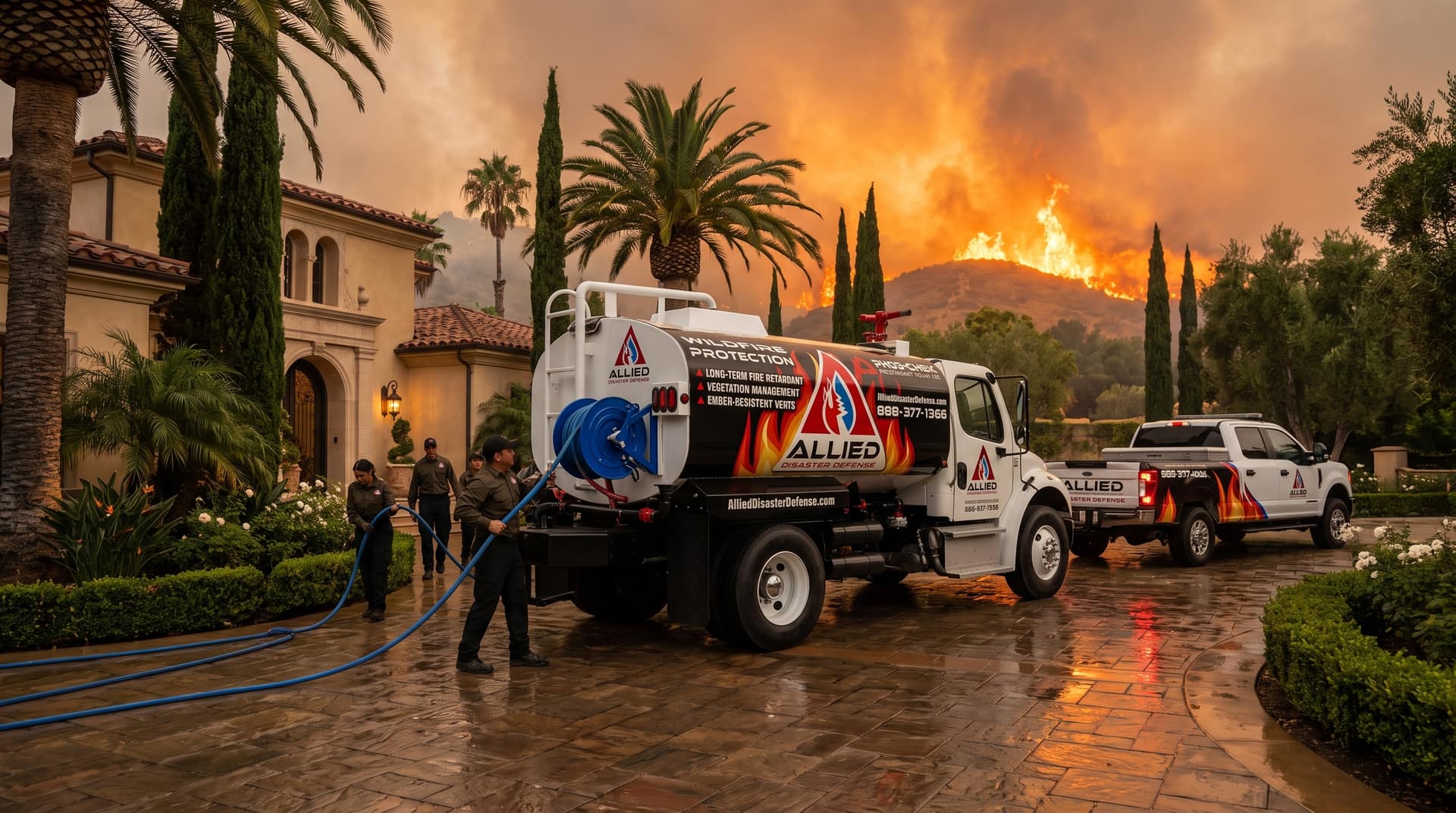
For eligible Client Families and properties, Allied’s highest level of stewardship may include active wildfire-readiness capabilities. Depending upon conditions and availability, these may include:
- Wildfire monitoring
- Prep & Go protocols
- Pre-event property preparation
- Structural triage
- Long-term fire-retardant deployment
- Combustible-material relocation where appropriate
- Property readiness activities
- Post-event coordination
A relationship and strategy already established before wildfire threatens the property.
Active wildfire-response capabilities are subject to Client Family relationship, property eligibility, fire conditions, governmental restrictions, evacuation orders, road access, crew safety, geographic limitations, and operational capacity.
No single product protects a property from wildfire. Not vents. Not landscaping. Not retardant. Not monitoring. Not response.
Resilience comes from addressing multiple vulnerabilities in the correct order. Allied brings those disciplines together under one relationship.
We do not need to perform everything to take responsibility for the strategy.
Exceptional properties often require multiple specialists.
- Architects
- Landscape professionals
- Roofers
- Builders
- Arborists
- Estate managers
- Insurance advisors
- Security professionals
- Other trades
Where appropriate, Allied can help Client Families understand how those disciplines fit into the broader property-risk strategy.
One property. Multiple specialists. One coordinated resilience strategy.
Some capabilities cannot be purchased on demand.
Certain Allied services may be available independently. But our highest levels of advisory access, property knowledge, seasonal preparedness, priority scheduling, estate coordination, active wildfire readiness, and Prep & Go are reserved for eligible Allied Client Families.
Because priority only means something when capacity is protected.
Access is part of the value.
We assess before we prescribe.
Develop the property’s Risk Profile.
Identify the vulnerabilities with the greatest consequence.
Create the appropriate resilience strategy.
Implement or coordinate selected improvements.
Record completed mitigation and property changes.
Continue adapting the strategy as the estate evolves.
Do not buy more wildfire protection. Build the right protection strategy.
Before investing in products, projects, or emergency services, understand what your property actually requires.