Disaster preparedness is crucial for minimizing the impact of natural disasters on communities. It involves proactive measures that individuals, families, and organizations can take to ensure safety and resilience in the face of potential emergencies.
Effective disaster preparedness includes creating emergency plans, assembling supply kits, and participating in community drills. For instance, local governments often organize training sessions to teach residents how to respond during wildfires or floods, enhancing overall community readiness.
Community engagement plays a vital role in enhancing disaster defense strategies. By involving local residents in planning and response efforts, organizations can create tailored solutions that address specific vulnerabilities within the community.
For example, Allied Disaster Defense collaborates with neighborhood associations to develop customized evacuation plans and safety workshops. This not only empowers residents but also fosters a sense of collective responsibility towards disaster readiness.
Innovative technologies are transforming the landscape of disaster management, providing new tools for prevention and response. From early warning systems to drone surveillance, these advancements enhance situational awareness and facilitate quicker action during emergencies.
Allied Disaster Defense utilizes cutting-edge technology to monitor environmental conditions and predict potential disaster scenarios. By integrating GIS mapping and real-time data analytics, the organization can effectively strategize and implement disaster response initiatives.
Examining case studies of successful disaster interventions provides valuable insights into effective strategies and best practices. These real-world examples highlight the impact of well-executed plans and community involvement in mitigating disaster risks.
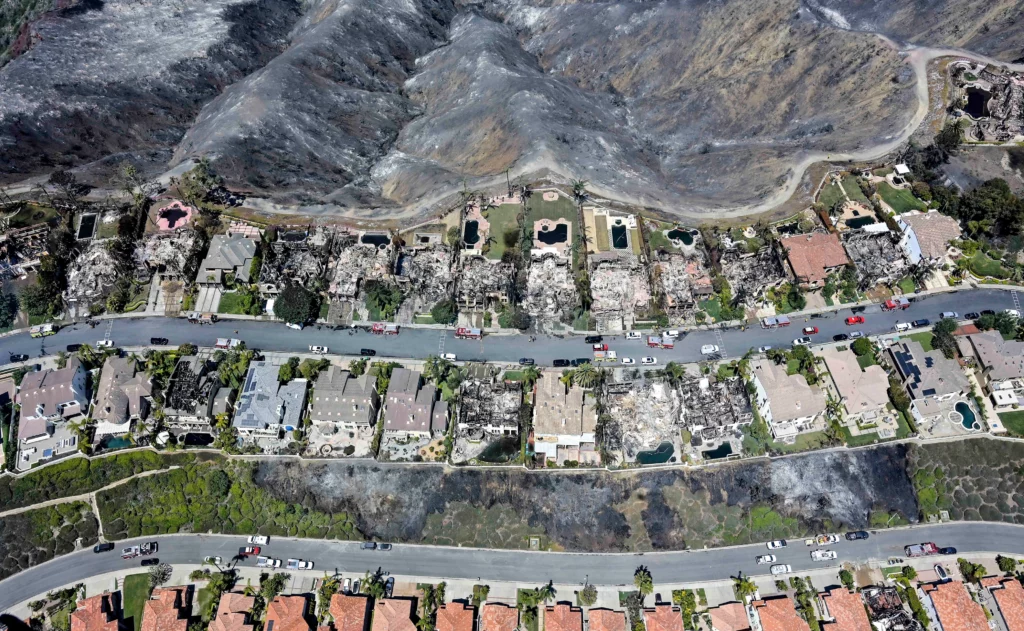
One notable case is the collaboration between Allied Disaster Defense and local authorities during the recent wildfire season, where proactive measures significantly reduced damage to properties. Detailed analysis of such interventions can inform future projects and enhance overall preparedness.