For restoration, construction and property-service companies
Get paid before the wildfire, not just after it.
A two-day, hands-on program showing contractors how to add wildfire-prevention services to the businesses they already own. We aren't teaching a business we read about — we're teaching the capability we actually built, deployed and operated.
Day 1Do the workLearn wildfire science and how to deliver long-term fire-retardant applications through hands-on field training.
Day 2Find the work + build the businessLearn the framework for assessing properties, identifying hardening and mitigation opportunities, pricing the work, selling the service, and taking it to market inside your existing company.
October 28 and 29, 2026 · Southern California
No franchise. No requirement to operate under the Allied name. Equipment and retardant materials are not included.
We added the wildfire expertise and built the service.
Then the Palisades wildfire happened
Demand exploded. But we weren't starting from zero.
6
Vehicles
Equipped with pumps and wildfire-response equipment.
6
Field Teams
Trained and deployed.
7
Days & Nights
Working 10–12 hour shifts.
$1M+
Revenue
Generated during the deployment and related prevention work.
The biggest lesson wasn't the revenue. We were positioned before the opportunity arrived.
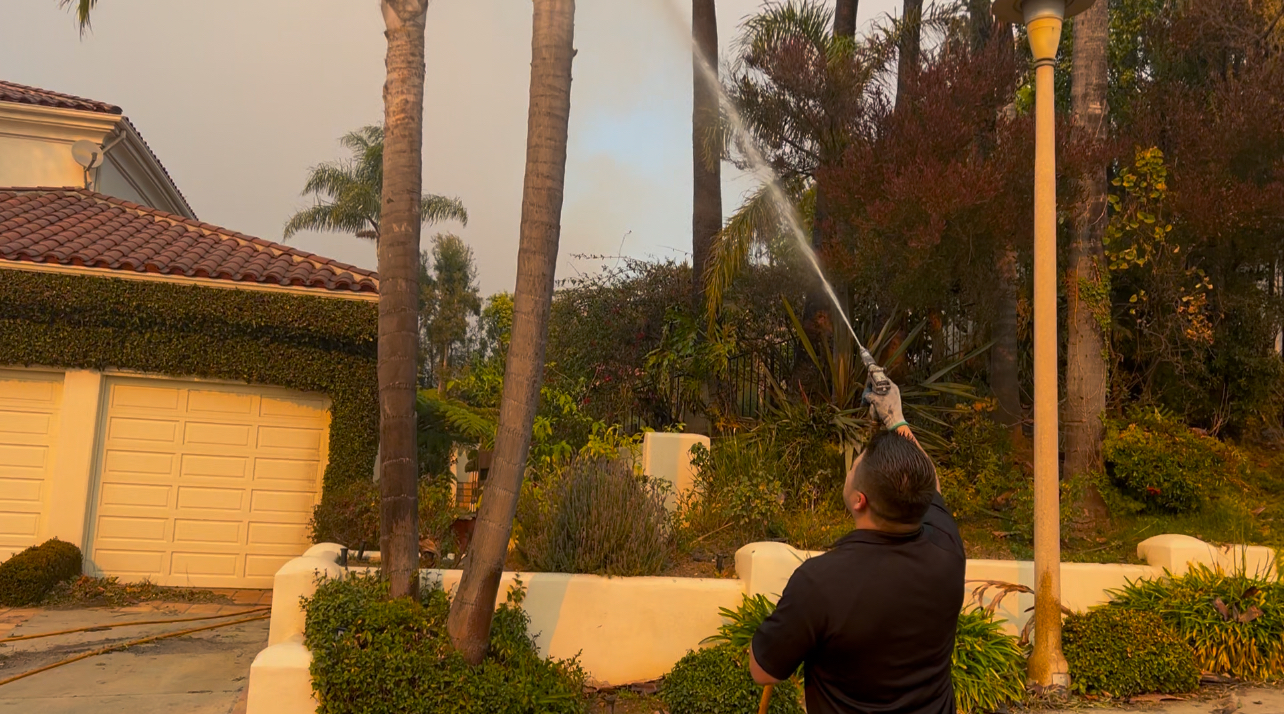
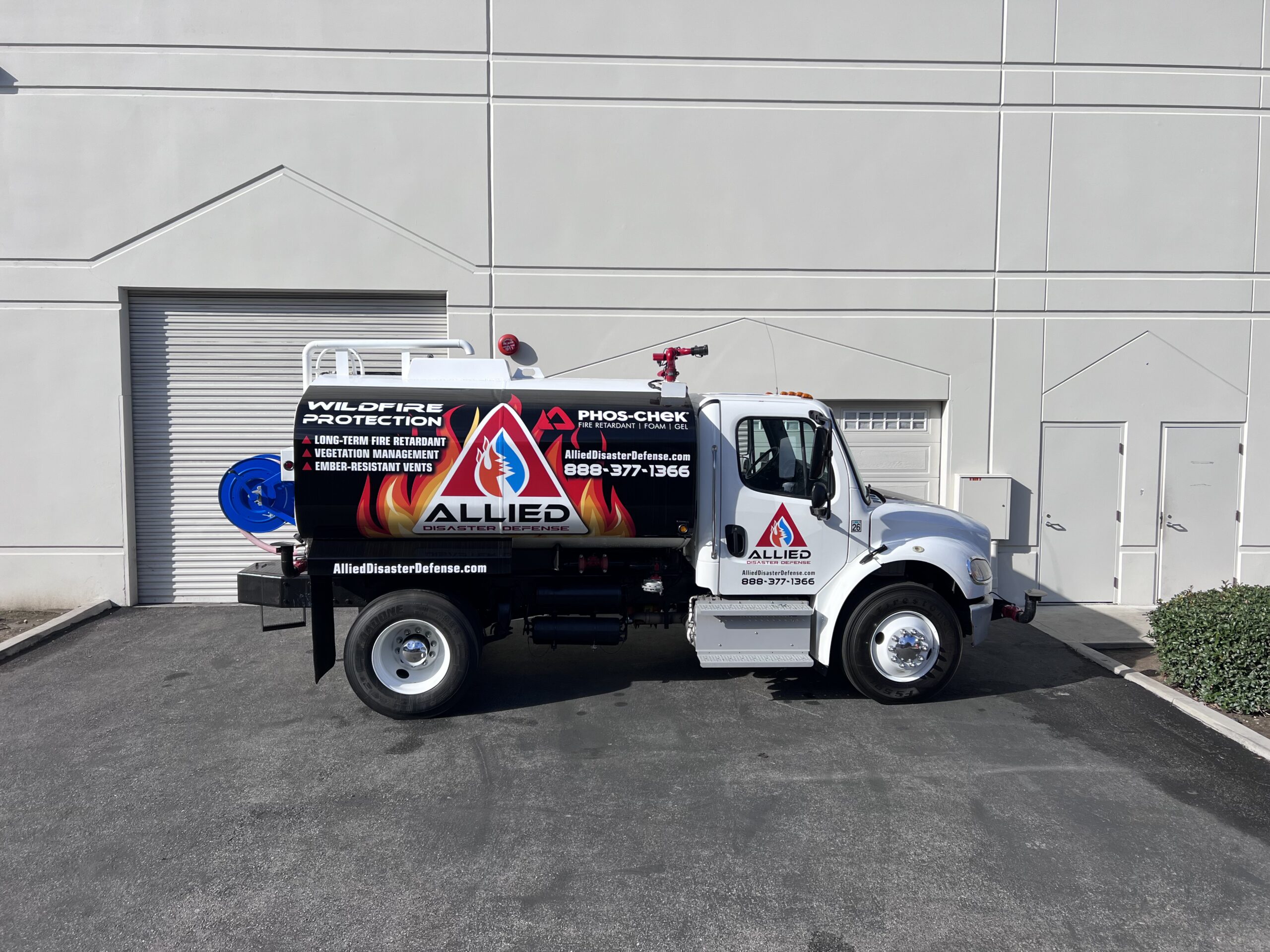
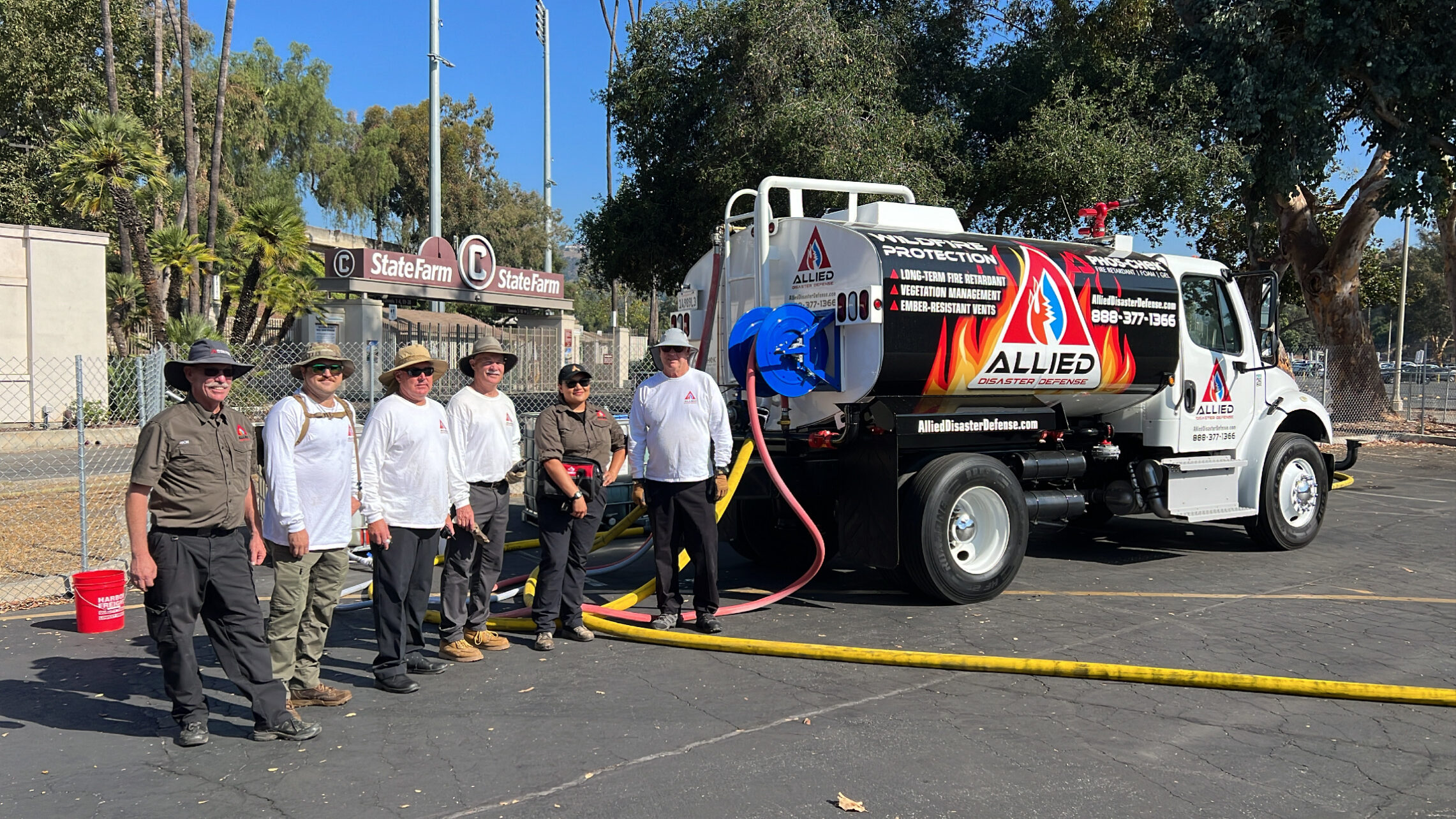
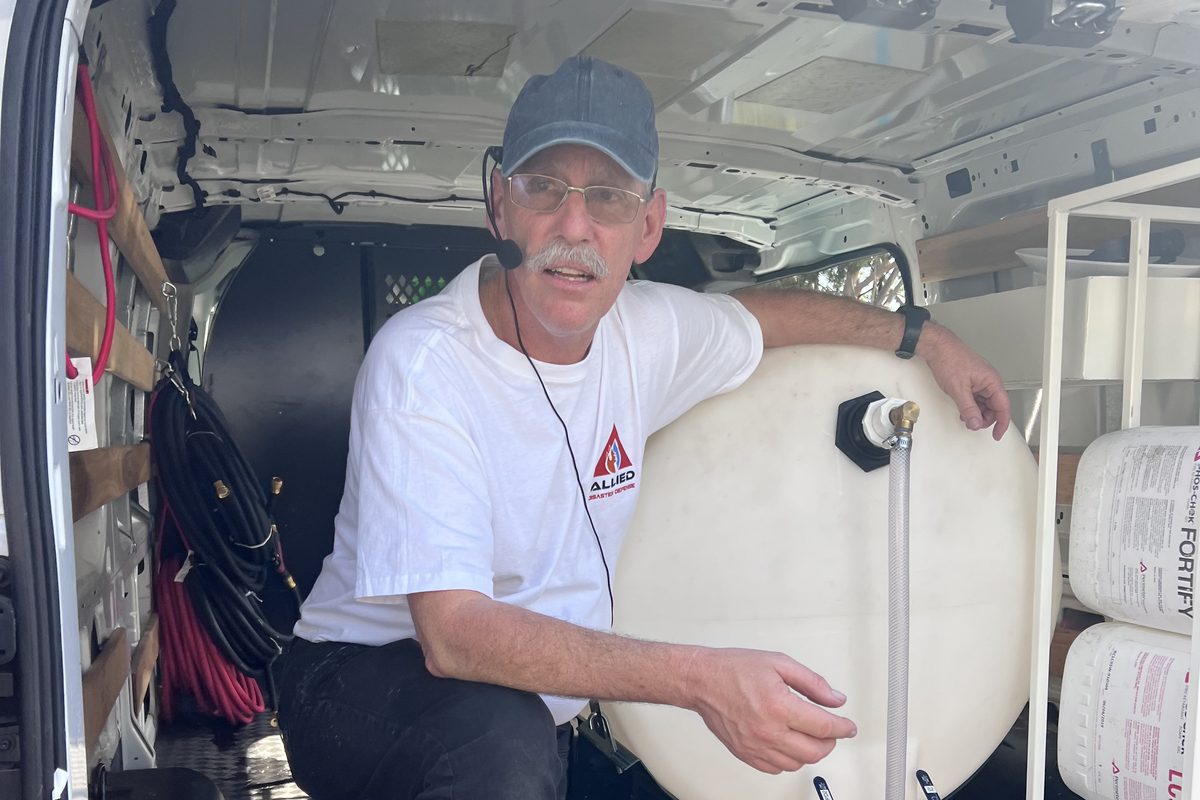
Photo — Field deploymentPhoto — Response equipmentPhoto — On the property
That experience became the Wildfire Revenue Blueprint™
We've already spent the time. Now we're compressing it into two intensive days.
Bought the equipment.Built the crews.Tested the systems.Performed the assessments.Worked with insurance professionals.Made the mistakes.And learned what works.
Day 1 · Do the workWildfire science + retardant applicationHow wildfire threatens structures, how retardant is applied, what equipment you need and where to source it.
Day 2 · Find the work. Build the business.Assessments + hardening + sales & marketingHow to identify wildfire vulnerabilities, recommend solutions, package the services and take them to market.
Allied's past results occurred during specific wildfire conditions and do not guarantee future revenue or results. Individual outcomes depend on market conditions, demand, execution and other factors.
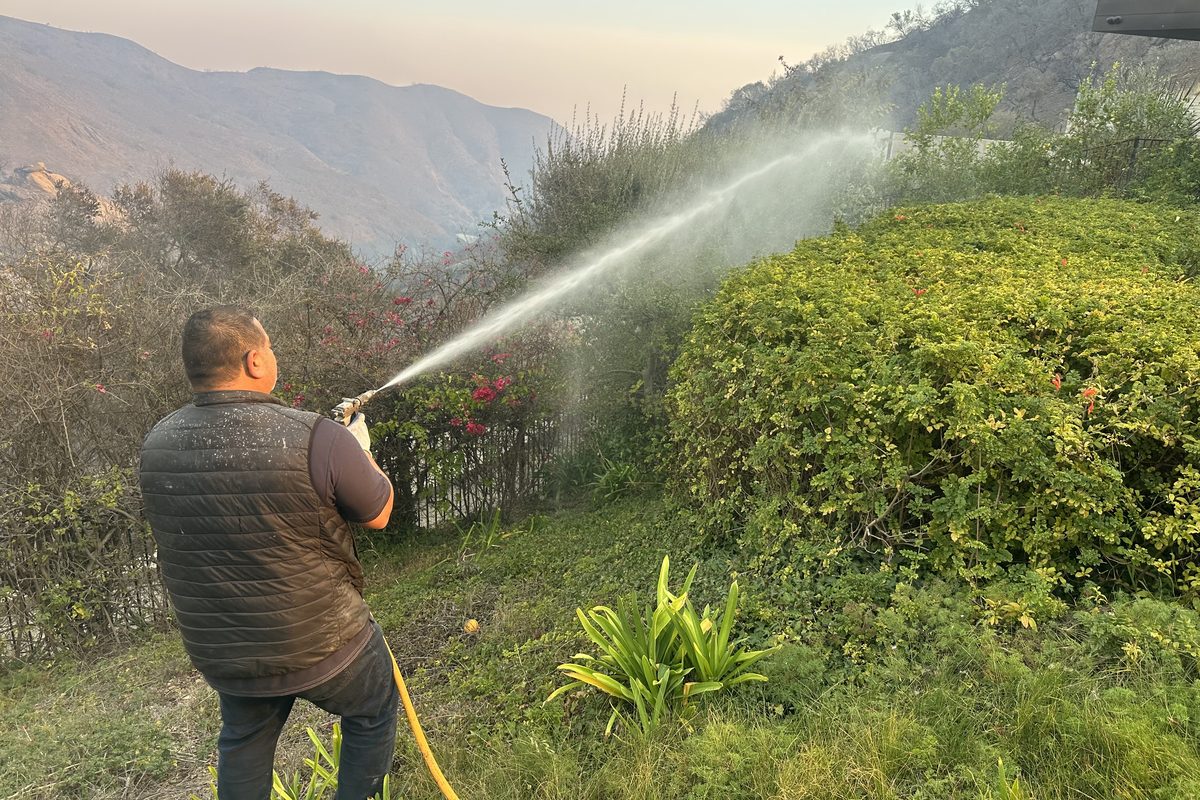
We're not teaching a business we read about. We're teaching the capability we actually built, deployed and operated.
Built to bolt onto what you already run
Could this fit your existing business?
If you already have crews, trucks, customers and property relationships, you already own most of what wildfire prevention requires. You don't need another company — you need another capability.
Restoration contractors
You already respond after the loss and hold insurance relationships. Prevention lets you reach the same customer before the fire, not just after it.
You already have: crews, insurance contacts
Roofers
You're already on the roof and at the ember-entry points that decide whether a home survives. Add assessment, vents and retardant to the visit.
You already have: access, roofline expertise
Landscapers & tree services
You already manage the vegetation and defensible space that drive wildfire risk. Retardant and fuel treatment are a natural seasonal add-on.
You already have: equipment, property access
General contractors
You already sell scopes and manage builds. Home-hardening and mitigation work is a new line item on jobs you're already quoting.
You already have: estimating, client trust
Home-hardening contractors
You're already doing part of this. The Blueprint adds the assessment framework, retardant capability and the sales and marketing system around it.
You already have: the technical head start
Other property-service companies
Pool, exterior, maintenance and property-management-adjacent companies with recurring customer access can layer prevention onto existing routes.
The demand is growing faster than the people who can meet it.
Wildfire risk keeps expanding across California, and homeowners, insurers, HOAs and property managers increasingly want prevention, not just repair. Almost no one is set up to sell it professionally. That gap is your opening, and the contractor who moves first reaches the customer before the loss instead of after it.
Wildfire prevention is not a single service. It is a whole category, and most of it is unclaimed.
Assess
Identify the property's wildfire vulnerabilities.
Harden
Address ember entry, vents, defensible space and other vulnerabilities.
Treat
Apply long-term fire retardant to strategic areas.
Maintain
Create seasonal and recurring prevention opportunities.
Respond
Provide readiness and emergency services where appropriate.
Recover
If a loss eventually occurs, you may already have the relationship.
Every one of these is a reason for a customer to call you before a fire, not just after. It opens a market you are not competing in yet, using crews, vehicles, a customer database and broker and property-management relationships you may already have.
You do not need another company. You need another capability.
The two days
Do the work. Find the work. Build the business.
Day 1 · October 28Do the work
Wildfire Retardant Applicator Training
Wildfire science and how structures ignite
Ember cast, radiant heat and fuel pathways
Long-term fire-retardant fundamentals
Where applications make sense
Application techniques and coverage
Equipment setup and operation
PPE and safety
Jobsite preparation
How to scope applications
What equipment you will need
Where to purchase equipment
Where to source materials
Equipment and retardant are not included. We show you what we use, where to source it, and how to build the capability inside your own operation.
What you will doLong-term retardant going down on a hillside fuel corridor.What you will needThe tank, pump and material setup, and where to source each part.
Day 2 · October 29Find the work + build the business
Assessment, hardening, and the business launch framework
By the end of Day 2 you should understand what to inspect, what to recommend, what to sell, how to price it, who to market to, and what to do Monday morning.
Wildfire property assessments
Ember-entry and structure vulnerabilities
Vents, openings and home-hardening opportunities
Defensible space and vegetation hazards
Priority treatment zones
Photo documentation and professional reporting
Mitigation recommendations and scopes
Offer design, pricing and job costing
Sales discovery and proposal presentation
Follow-up and objection handling
Marketing positioning and customer education
Broker, HOA, insurance and property-management outreach
Lead intake and operating workflows
A 30, 60 and 90 day launch plan
This is a working session, not a conference. You leave with your most important constraint identified and three to five prioritized next actions, not with seventy five ideas.
Find the workWalk the property with the owner and identify the work it actually needs.Build the businessPut a documented scope in front of the owner, priced, and present it.
Two public options
Choose the capability your company wants to build.
Day 1 · Do the work
$2,500per seat
One-day applicator training
October 28, 2026. For contractors who want to learn wildfire science and add hands-on long-term fire-retardant application capability.
October 28 and 29, 2026. For owners and operators who want to perform the work, identify property vulnerabilities, understand hardening and mitigation opportunities, price the service, sell it, market it, and build a 90-day launch framework.
Private 3-day corporate accelerator$15,000 plus travel and expenses
For companies that want Allied to bring the Blueprint directly to their organization and customize the training around their team, market, pricing, sales process and launch strategy. Day 1 technical capability, Day 2 assessment capability, Day 3 company implementation.
Prices are per seat. Bring your team, each attendee needs a seat.
Equipment and retardant materials are not included with public registration.
No franchise. No Allied branding requirement. Limited contractor attendance.
Straight answers
Do I have to become an Allied franchise?
No. And that is an important distinction. This is about capabilities you bring back to your existing business, subject to the applicable training and intellectual-property terms.
I do not know wildfire science.
That is Day 1.
I do not own the equipment.
We will show you what equipment is needed and where equipment and materials can be sourced.
Is the equipment included?
No. Equipment and retardant materials are separate from registration.
I have never performed a wildfire assessment.
Day 2 introduces the assessment, hardening, documentation and mitigation framework.
Will Day 2 make me an expert in every area?
No. The goal is to help you understand what to inspect, what to recommend, what to sell, how to price it, who to market to, and what to do next.
I would not know how to price, sell or market this.
That is why the complete program includes pricing, offer design, proposal presentation, customer education, marketing and a 90-day launch plan.
Why is the complete program $5,000?
Because it combines hands-on technical training with the assessment and business launch framework. Contractors who only want application capability can choose Day 1 for $2,500.
Can I attend only Day 2?
No. Day 2 builds on the technical foundation established during Day 1.
Do I need to change my company name?
Absolutely not. Your company, your brand, your market.
October 28–29, 2026 · Southern California
Build the capability you already have the ingredients for.
Two intensive days. Real equipment, real properties, real field application. Limited contractor attendance. If you're not sure which option fits, talk to our team first — for a decision like this, a ten-minute call beats a guess.